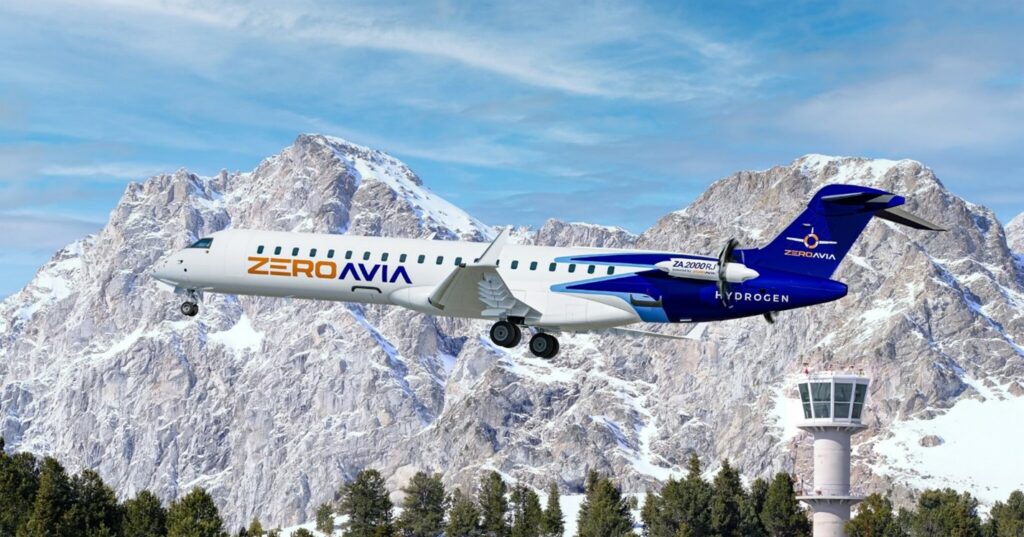
American Airlines has entered into a conditional purchase agreement with clean aviation innovator ZeroAvia for 100 hydrogen-electric engines intended to power regional jet aircraft – and increased its investment into the company. Meanwhile, ZeroAvia has opened a new manufacturing center in Everett, Washington and unveiled plans to sell its propulsion components to other clean-aviation developers. Some may fit for other applications such as UAVs, marine and ground vehicles.
ZeroAvia is developing fuel cell-powered engines for commercial aircraft, which offer the potential for close to zero inflight emissions, emitting only water vapor. The company is flight testing a prototype for a 20-seat plane and designing an engine for larger aircraft such as the Bombardier CRJ700, which American operates on regional routes.

American made its first investment in ZeroAvia in 2022 and has also now participated in the company’s Series C financing round. The engine agreement follows a memorandum of understanding the two companies announced in 2022.

“In signing this purchase agreement and furthering its investment, American is supporting our mission of innovation for clean aircraft propulsion and it is a good signal that ZeroAvia is delivering on our technology roadmap,” said Val Miftakhov, founder and CEO of ZeroAvia. “The solutions that can serve the largest airlines are within reach, and the clean future of flight is coming.”
ZeroAvia’s hydrogen-electric engines use hydrogen in fuel cells to generate electricity, which is then used to power electric motors to turn the aircraft’s propellers. The only inflight emission is low-temperature water vapor, and the lower intensity electrical systems have the potential to offer significant cost savings.
ZeroAvia has an active certification application for its ZA600 powertrain for 10-20 seat aircraft, targeting market entry within the next couple of years, and is also developing a second engine, the ZA2000, for larger aircraft to follow soon after. In addition, the company is working to develop the hydrogen fuel ecosystem to support these clean propulsion systems at airports by developing unique production, storage and dispensing technologies, and by working with airport partners to plan for hydrogen operations.
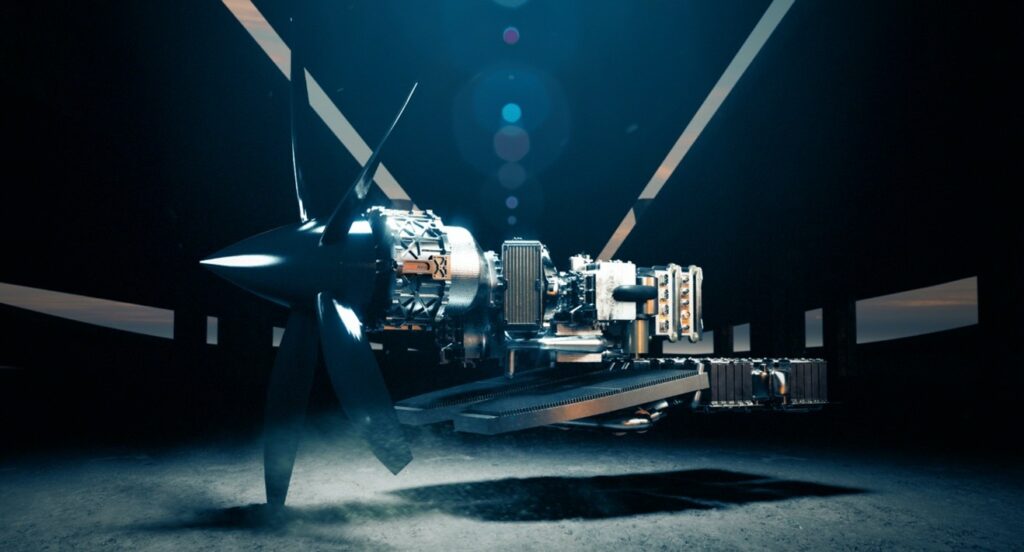
The ZA600 is a 500 to 750 Kw continuous hydrogen-electric powertrain for 10-20 seat airplanes, fueled by gaseous hydrogen tanks and capable of carrying passengers up to 300 nautical miles. The hydrogen is stored onboard in lightweight tanks to feed fuel cell systems and generate electricity for propulsion motors.
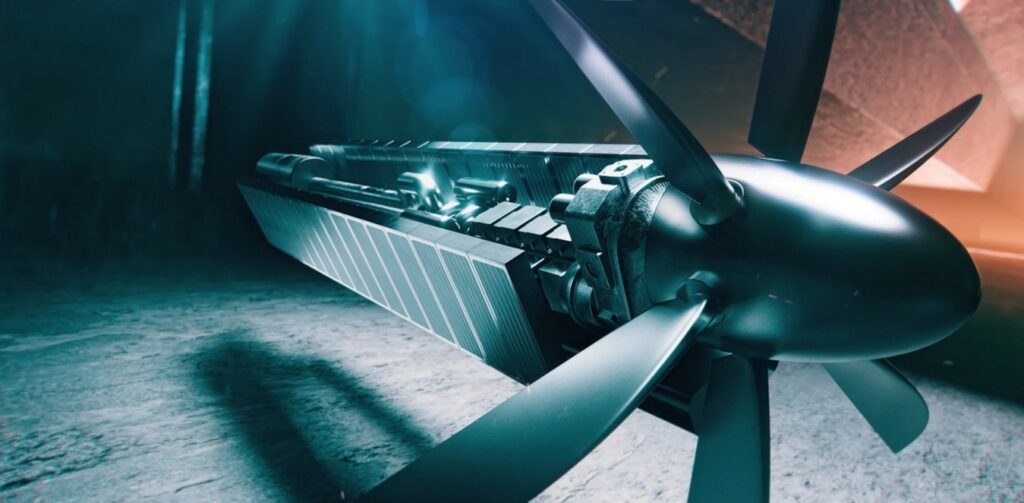
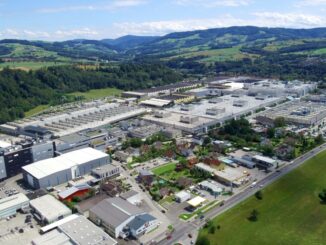
In April, at the opening of its new 136,000 sq ft manufacturing facility at Paine Field in Everett, Washington near Seattle, the company announced it is launching the sale of its components to other e-aviation developers. The new site will be used for producing the company’s power electronics and electric motor products while a second site is being sought for production of its fuel cell and hydrogen products.
The components move allows ZeroAvia to build upon what it says is a multi-billion dollar per annum market for its hydrogen-electric powertrain family, maximizing the company’s investment in R&D and its strategy of vertical integration. With the certification work for the ZA600 engine for up to 20 seat aircraft underway, and the underpinning technology for the ZA2000 engine for up to 90 seat aircraft in advanced development, ZeroAvia has conducted component market research and sees significant opportunity in the following areas:
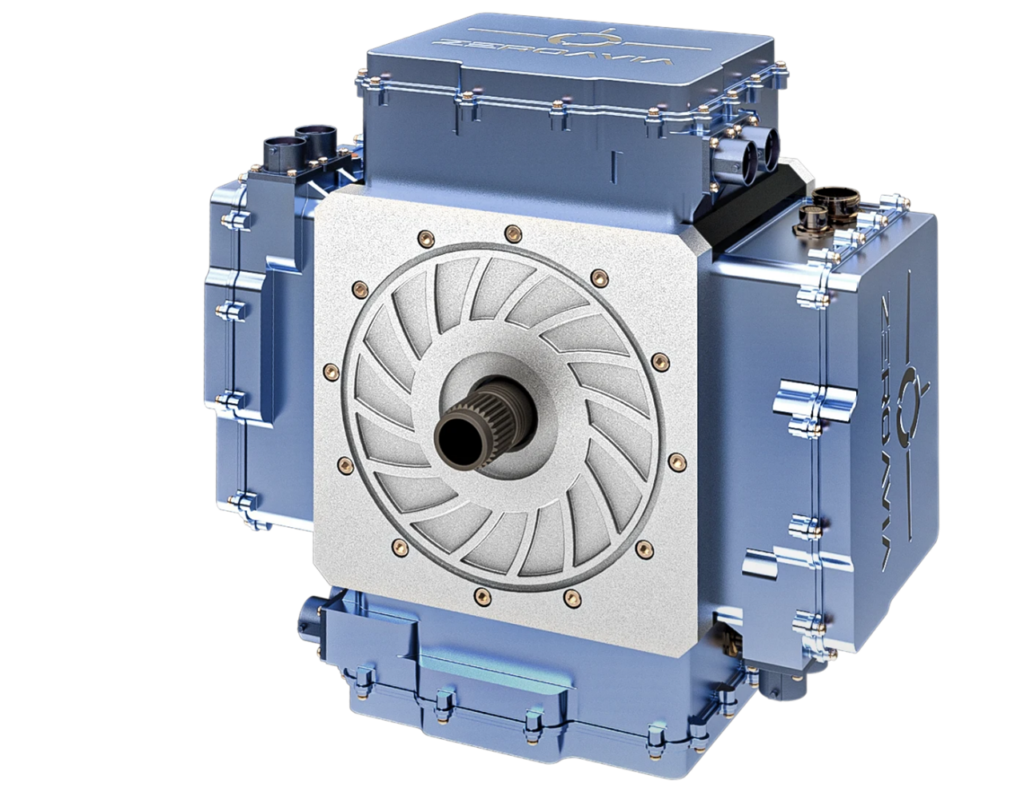
- Advanced electric motors for aviation, including a 660 kW max-power direct-drive motor capable of speeds up to 2,200 rpm, and the HyperCore 900kW modular motor capable of speeds up to 20,000 rpm.
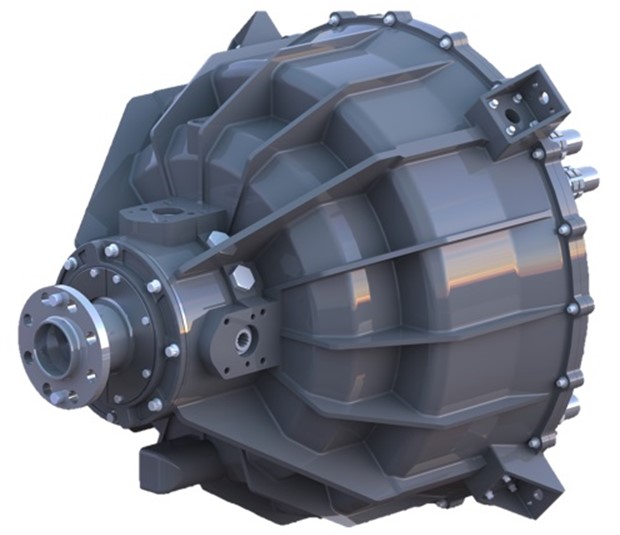
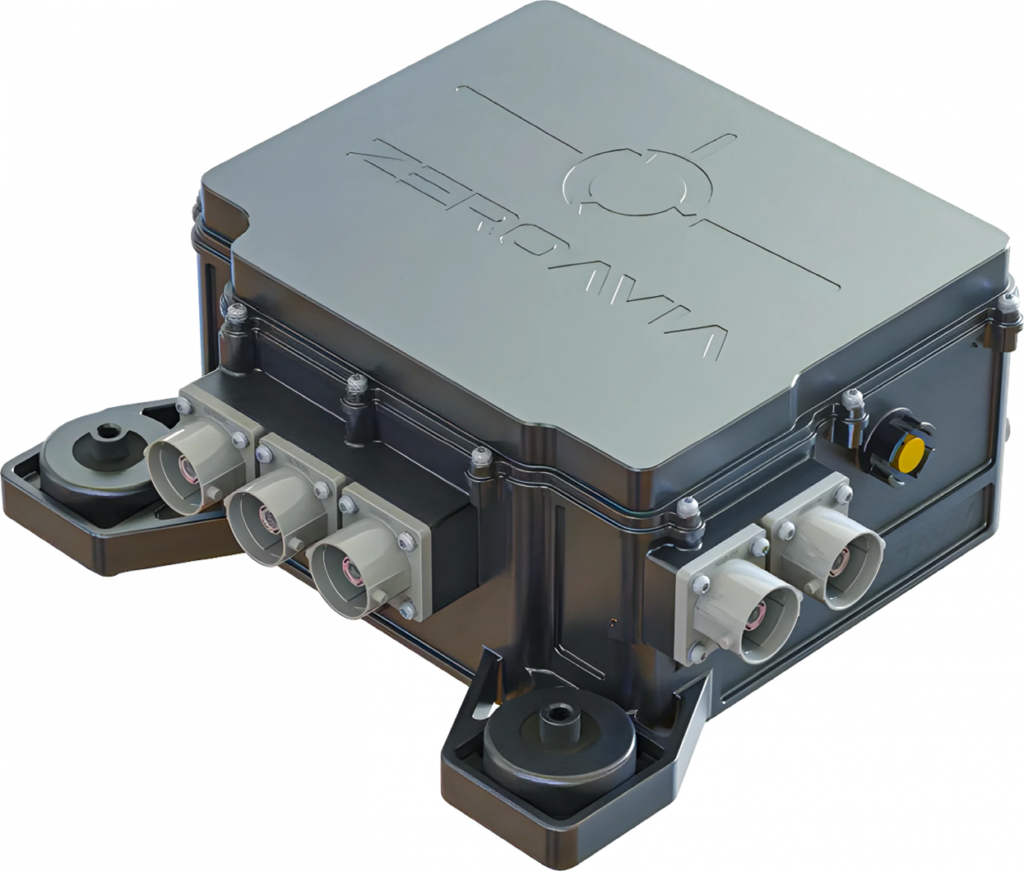
- Silicon carbide inverters – The 200kW continuous power bidirectional inverter design offers a power density above 20 kW/kg and is available in single (225kW peak / 200kW continuous) and dual (450kW peak / 400kW continuous) configurations. The inverters are designed and produced following aerospace standards, allowing a high-power density and reduced weight with advanced thermal management technologies and integration to enable reliable high performance for high altitude and engine compartment location.
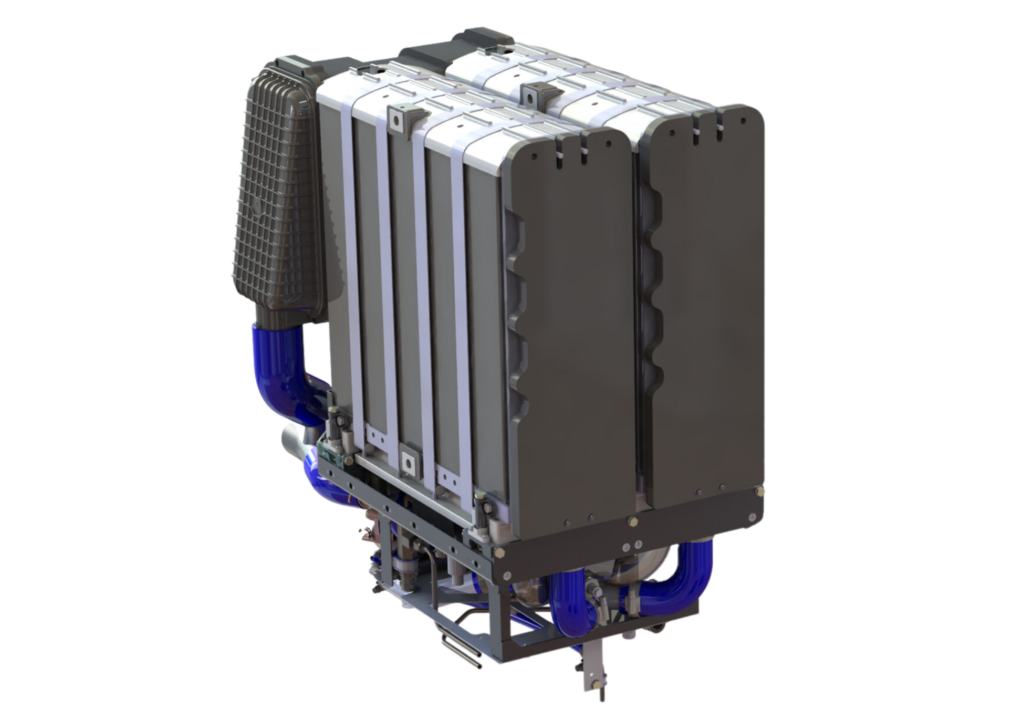
- Low temperature Proton Exchange Membrane (LT-PEM) fuel cell configurations (in partnership with PowerCell) – ZeroAvia’s SuperStack Flex architecture is a customizable 100-400kW fuel cell power generation platform designed to meet a range of different aerospace power, performance, and packaging requirements, while maintaining exceptional pressure, mass flow rate, humidity, and temperature control.
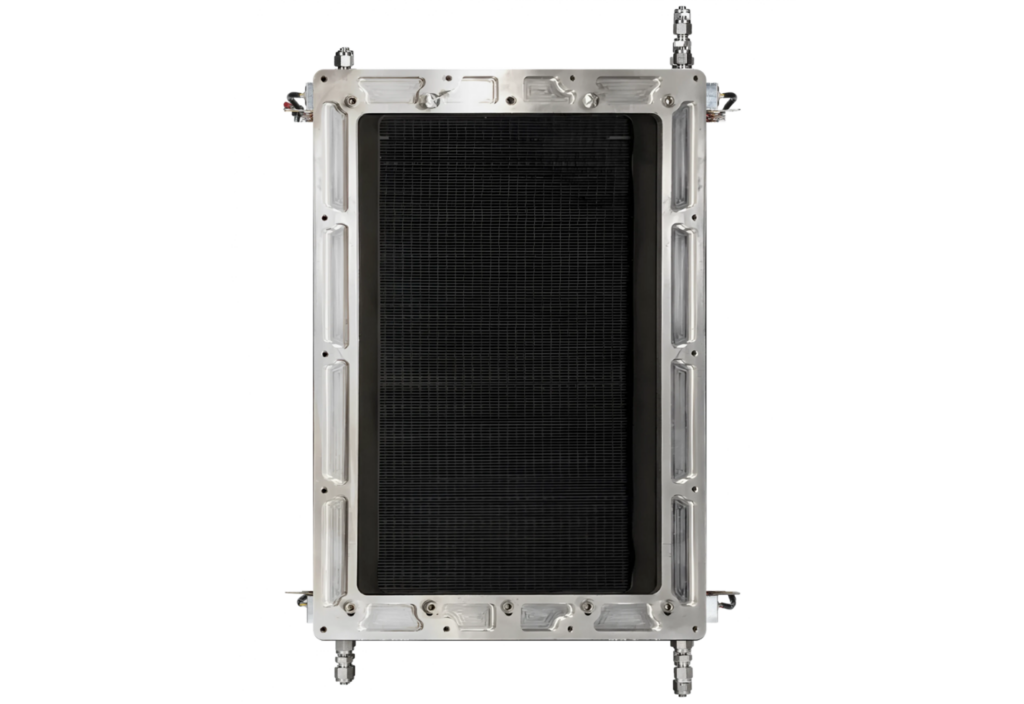
- High temperature PEM (HT-PEM) fuel cell stacks and full power generation systems – ZeroAvia’s High-Temperature Proton Exchange Membrane (HTPEM) fuel cell stack is a turbo-air cooled modular system which offers up to 3.5 kW/kg specific power, supporting a variety of traditional aviation and VTOL applications.
- Aviation fuel cell compressor capable of supporting up to 900kW fuel cell applications up to 15,000 feet. The compressor is designed specifically for fuel cell applications and designed for aerospace standards from the start.
ZeroAvia is also working with an extensive lineup of aviation partners on product developments and establishing infrastructure for hydrogen aviation. These are covered in a separate article in New Power Technology. For more info, see www.zeroavia.com.