e-Power

Research on Transforming Production Technology Enters Second Phase  

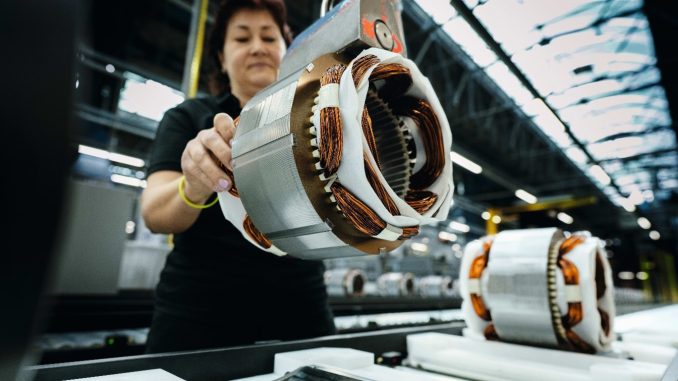
Research project EA 2.0 in Germany aims to further develop the electric drive to create sustainable and high-performance solutions for industry and the environment through more efficient manufacturing, reduced material and energy consumption as well as increased power density. Innovation in magnets and manufacturing process play key roles. Applications in hydrogen production and compression could be a beneficiary.  […]

e-Power

Seeking the Ultimate in Marine Stealth: DARPA Pursues Quest to Finally Make Magnetohydrodynamic Drive a Practical Reality 

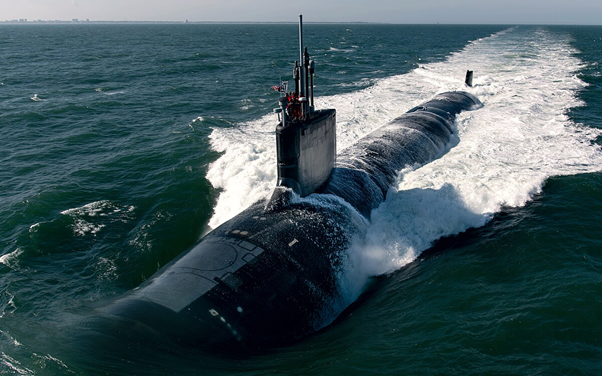
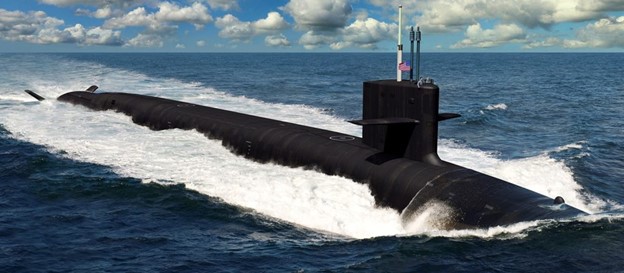
Since the 1960s, academic, commercial and military researchers have attempted to realize a novel form of maritime propulsion involving no moving parts – no propeller, no drive shaft, no seals – just magnets and an electric current that silently propel a boat or submarine through water. It has been an elusive goal but tests are being conducted at Navy facilities this summer with an aim toward developing a practical, workable system.  […]

e-Power

Rolls-Royce Unveils Hybrid Drive System for Tanks 

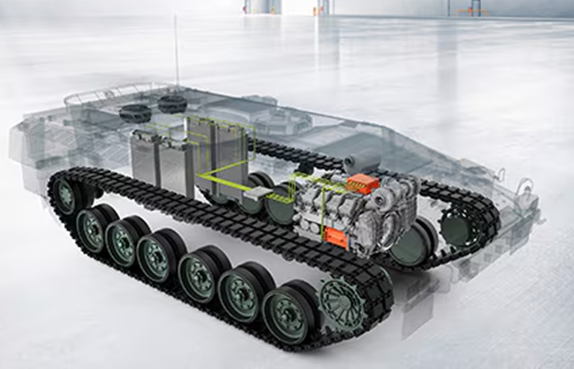
Thinking about a hybrid-electric vehicle, most people probably envision a Toyota Prius but propulsion engineers at Rolls-Royce take a broader, heavier view. The company’s Power Systems division is expanding its mtu engine program for military land vehicles to include a hybrid powerpack for special tactical requirements and a 10-cylinder, over 1.100 kW power output, version of the mtu Series 199 which has been extremely successful with NATO forces. Both concepts were premiered at the Eurosatory defense trade fair in Paris in June. […]

e-Power

Tech Tips: From desktop simulation to motor drive testing 

By Dr.-Ing. Christoph Hahn, Head of Technical Marketing, Speedgoat GmbH

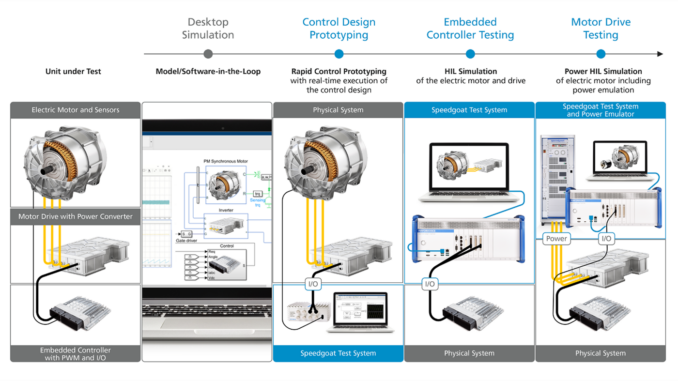
Designing electric motor controls and testing embedded controllers for motor drives is time-consuming, and tests with rotating components and under high-voltage conditions are potentially dangerous. Testing intelligently using digital twins allows for a safe testing environment that not only prevents equipment damage but also personal injury. Furthermore, it provides a continuous workflow across all test phases within a single platform. Development thus becomes faster and more innovative, and errors can be detected early on. […]