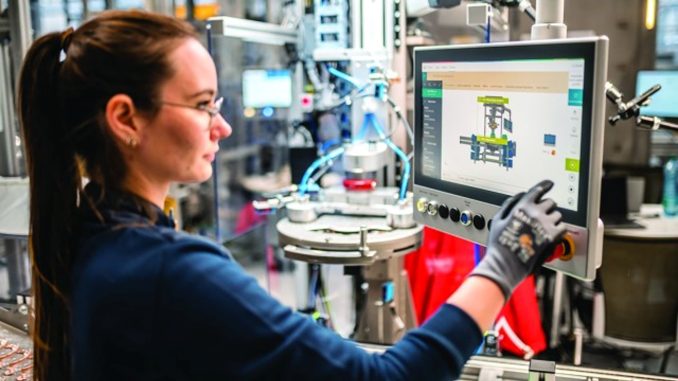
Process control of electric motors at Bosch
The electrification of mobility continues to gain momentum – and together with its customers, Bosch is actively shaping this transformation. The company recently received a major new order from Mercedes-Benz to supply a large volume of electric motors into the 2030s for the premium manufacturer’s next generation of electric powertrains.

“The new order reaffirms our long-standing partnership with Mercedes-Benz and shows that we can successfully contribute our expertise to technologically demanding projects as well,” says Markus Heyn, member of the Bosch board of management and chairman of Bosch Mobility. The order follows on from a successful year in 2025, in which Bosch acquired more than 70 customer projects worldwide. The company currently supplies more than 50 automakers from all over the world with technology and solutions for electromobility.
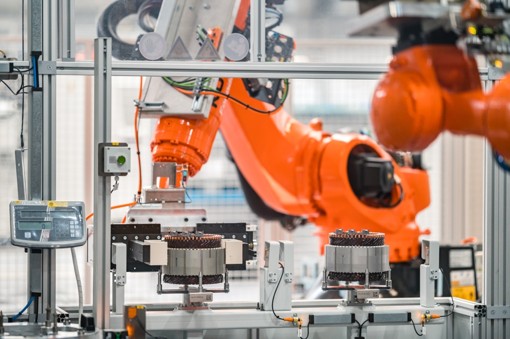
Even though markets in different regions are developing at different speeds and price and competitive pressures remain high, these orders make it clear: Bosch is dedicated to serving e-mobility manufacturers. “We win over customers with our core competence of being able to develop and manufacture complex technology in large quantities with significant economies of scale worldwide. We deliver electric-driving solutions to all markets around the world,” says Heyn.
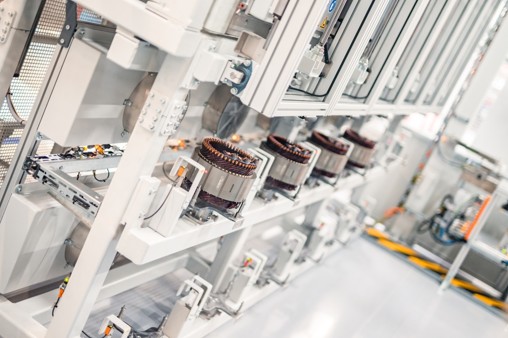
Winding technology optimizes power density, scalable architecture
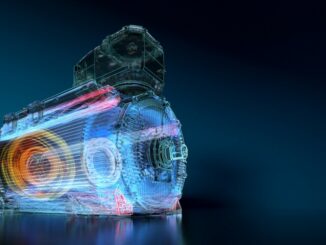
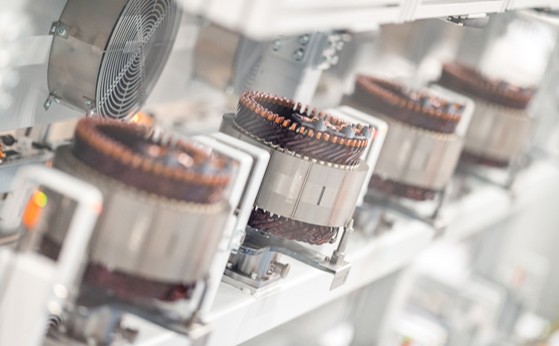
Bosch electric motors feature up to 98 percent efficiency along with increased power density, thanks in large part to the new hairpin winding technology. These motors are also equipped with innovative rotor oil cooling, which is the optimum way to dissipate the heat. Another decisive advantage is their scalable platform architecture: the length of the electric motor can be varied depending on the power required, so the motor can be easily installed in different axle variants. This allows customers to integrate the powertrain flexibly and cost-effectively into a range of vehicle models. The combination of high efficiency, innovative cooling, optimized winding technology, and scalable platform architecture results in a particularly compact design that reduces weight, installation space, and ultimately system costs.
A key technology partner for numerous manufacturers worldwide
Bosch plans to manufacture more than seven million components for electric driving in 2026. Currently, roughly seven electric motors roll off the company’s production lines every minute worldwide. Besides premium manufacturers such as Mercedes-Benz, Bosch also works with a large number of other international automakers in the field of electromobility. In India, for example, the company has entered a joint venture with TataAutocomp Systems to develop, commercialize, and manufacture e-axles for the Indian market.
Bosch also plays a leading role as a technology partner in China, the world’s largest vehicle market today. “We already work with almost all Chinese car manufacturers, as well as with numerous international automakers operating in China,” says Marco Zehe, president of Bosch’s Electrified Motion division. For more than a decade, Bosch has been manufacturing for a large number of automakers based there and supplies more than 30 customers with solutions for electric driving.
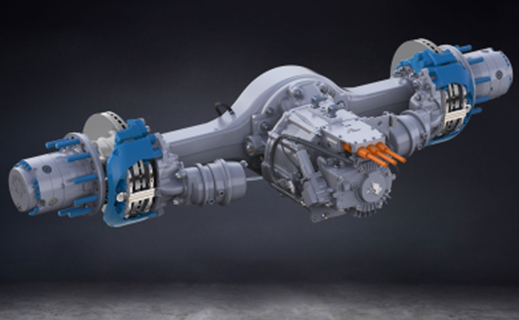
From silicon carbide chips to complete powertrain solutions, Bosch covers the entire spectrum of electromobility worldwide. In addition to the e-axle, the company now also offers “X-in-1” solutions, in which several elements such as the electric motor, power electronics, transmission and energy management are bundled into highly integrated systems. These are more compact, lighter, and less complex, and offer clear cost benefits for customers.
See www.bosch.com.