Via rail in India and via shuttle vessels in the North Sea, Ballard fuel cells are powering new breakthroughs in emission-free transport.
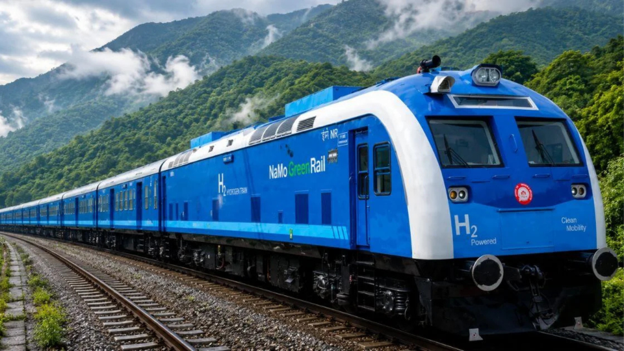
India’s first hydrogen fuel cell passenger train has entered regular service, marking a significant step in the country’s transition toward cleaner rail mobility. The NaMo Green Rail was inaugurated by Prime Minister Narendra Modi at Jind, Haryana, on July 17, and began carrying fare-paying passengers on July 19. Operated by Northern Railway, it serves the 89km Jind–Gohana–Sonipat corridor and is powered by Ballard.
NaMo Green Rail’s ten-car trainset is designed for the scale of India’s regional rail network, comprising two hydrogen driving power cars and eight trailer coaches. It can carry approximately 2,600 passengers, and is approved for operation at up to 75 km/h.
The train is supported by a purpose-built hydrogen production, storage and refueling facility at Jind. The site includes a 1MW proton-exchange membrane (PEM) electrolyzer designed to produce approximately 430kg of hydrogen per day, storage for nearly 3,000kg, and compression and dispensing equipment.
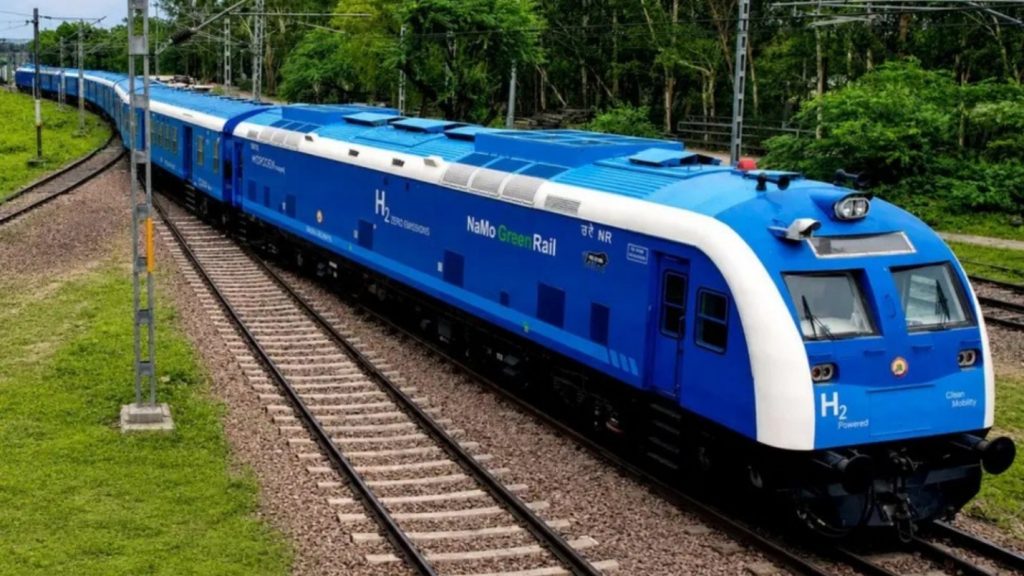
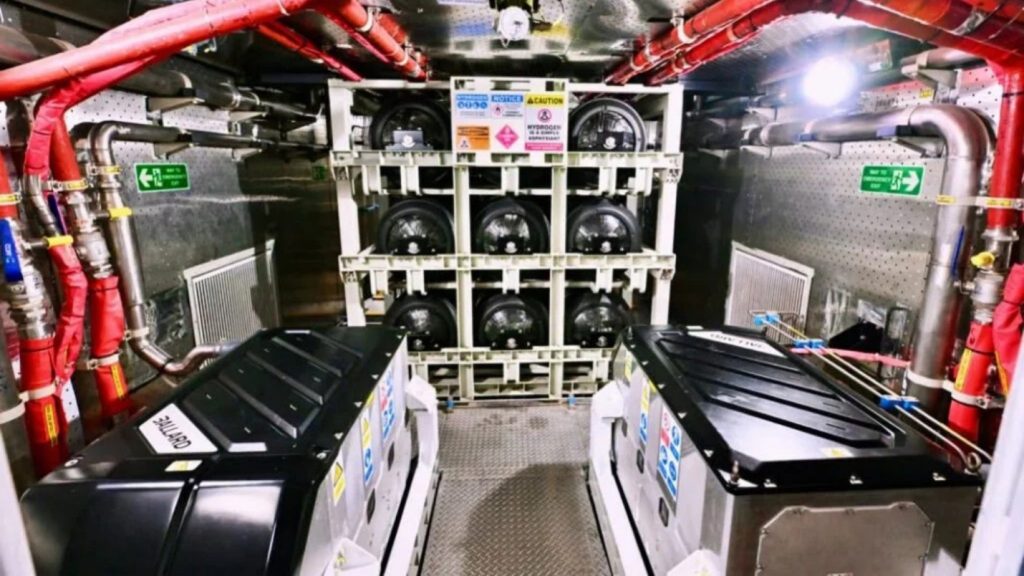
Ballard has supported the program through its partnership with technical system integrator Medha Servo Drives – with the companies initially announcing an order for eight 100kW FCmove-HD+ fuel cell modules for Indian Railways’ first hydrogen train program in 2022.
The fuel cell delivers 800kW of power to the train – and the module offers a durable, compact, and easy installation solution for system integrators and vehicle OEMs. The move from engineering and integration to passenger service is an important milestone for the project and a practical demonstration of how proven fuel cell technology can be adapted to demanding, high-capacity rail applications.
[images courtesy of Walia News Network]
Early operating data has been encouraging, with Indian Railways reporting that NaMo Green Rail had travelling more than 1,200km and displaced over 3,200 liters of diesel in its first week in service.
NaMo Green Rail is the result of collaboration across rolling-stock manufacturing, system integration, hydrogen infrastructure and fuel cell technology. Ballard’s participation on this landmark program with Medha advances zero-emission rail mobility in India – and the project provides operational experience that can inform future hydrogen rail deployments and supports the objectives of the country’s National Green Hydrogen Mission, which aims to cut approximately 50 million metric tons of annual greenhouse gas emissions and add roughly 125GW of clean energy capacity by 2030.
Samskip SeaShuttle vessels drive HyShip marine innovation project
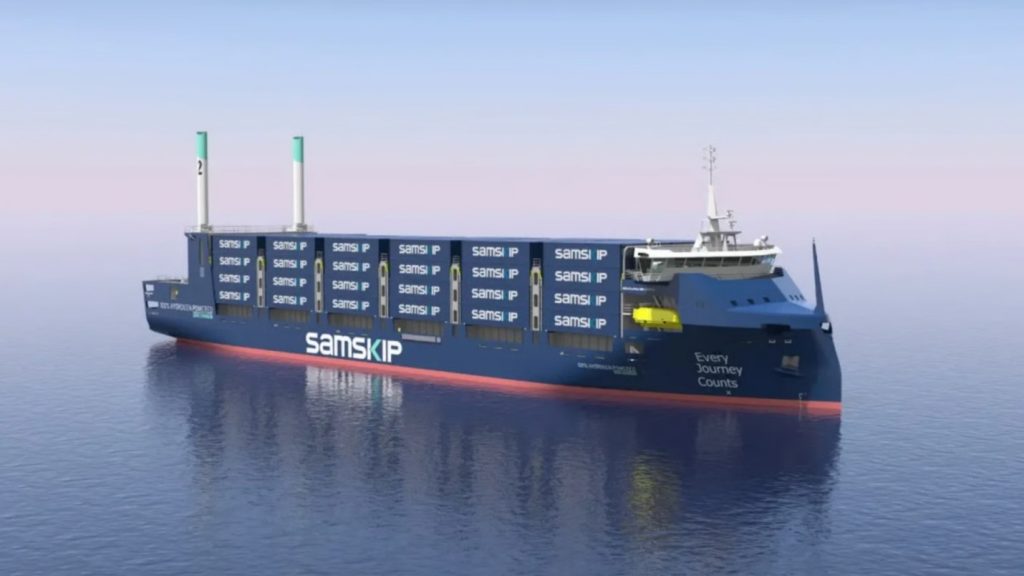
In the North Sea, a new collaboration will connect multi-megawatt fuel cell vessels with liquid-hydrogen supply, bunkering and operational learning on the Rotterdam–Oslo route. The effort initiates an important new milestone in Europe’s transition to zero-emission short-sea shipping. Samskip’s SeaShuttle – a hydrogen fuel cell container vessel that is powered by Ballard – has been selected as the new demonstrator for HyShip, a European innovation project focused on making liquid hydrogen a practical fuel for maritime transport.
Two SeaShuttle vessels will feature in the initiative, which is scheduled to begin operation between Rotterdam, Netherlands and Oslo, Norway in 2027. The vessels will transport containerized freight and help establish a green shipping corridor between the two countries. The first SeaShuttle is expected to leave the shipyard by the end of this year, receive its final hydrogen upgrades in Rotterdam, and enter service in the second quarter of 2027.
Backed by the European Union’s Horizon 2020 program and supported by the Clean Hydrogen Partnership, HyShip is designed to address critical operational and system elements including fuel supply, onboard storage, port bunkering, vessel integration, and safety approval. Running through October 2028, the project also brings together shipowners, technology companies, researchers, classification expertise and infrastructure specialists to connect the liquid-hydrogen value chain.
HyShip will connect the vessels with the infrastructure needed to sustain regular operations, while consortium partner LH2 Shipping will support the development of safe and scalable onboard hydrogen systems and develop, build, and operate the SeaShuttle’s port bunkering system. The project also targets more than 3,000 hours of real-world operation during an 18-month commercial demonstration, generating practical data from sailing, port maneuvering, and bunkering to inform future vessel projects, approval pathways and investment decisions.
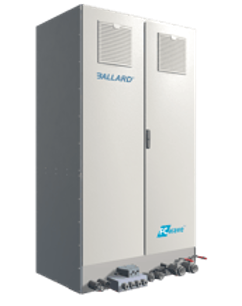
In total, 32 Ballard FCwave 200kW fuel cell engines will be integrated across the two SeaShuttle vessels into marine propulsion systems by eCap Marine, totallng 6.4MW. The FCwave is the world’s first Type-Approved fuel cell module for marine and is designed to provide zero-emission power to a broad range of marine vessels and stationary applications. It leverages more than eight generations of product development and heavy-duty technology experience in demanding applications and climates. The fuel cell engine provides a flexible, industrial grade all-in-one hydrogen-powered solution that is low in total lifecycle cost and easily scalable to power and space requirements.
Upon commissioning, Samskip’s SeaShuttles will be among the first decarbonized vessels of their kind using green hydrogen in the world, and each ship is expected to achieve around 25,000 tons of CO2 reduction per year, while retaining fuel flexibility to protect service reliability. By bringing together commercial vessels, multi-megawatt fuel cell power, and a developing liquid-hydrogen ecosystem, the HyShip project is enabling zero-emission shipping to move beyond isolated demonstrations – and closer to significant, everyday freight operations across Europe.