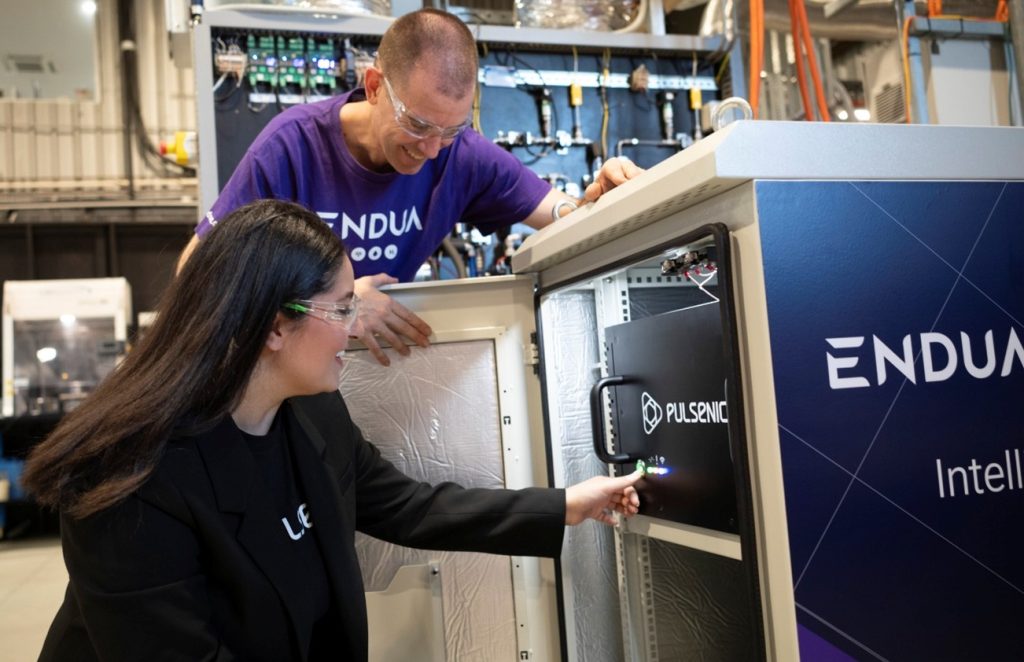
An innovative project in Australia will connect hydrogen electrolyser stacks directly to solar farms, skipping the grid entirely and eliminating infrastructure costs. Combining the pulse probe hardware of Pulsenics and on-site hydrogen electrolysis stacks from Endua, the project is described by the partners as the first commercial deployment of AI-driven electrochemical impedance spectroscopy in green hydrogen production.
Enabling real-time monitoring under intermittent power conditions, improving reliability, predictability and lowering costs, the project is designed to help de-risk investment decisions by providing data on uptime, degradation and performance guarantees.
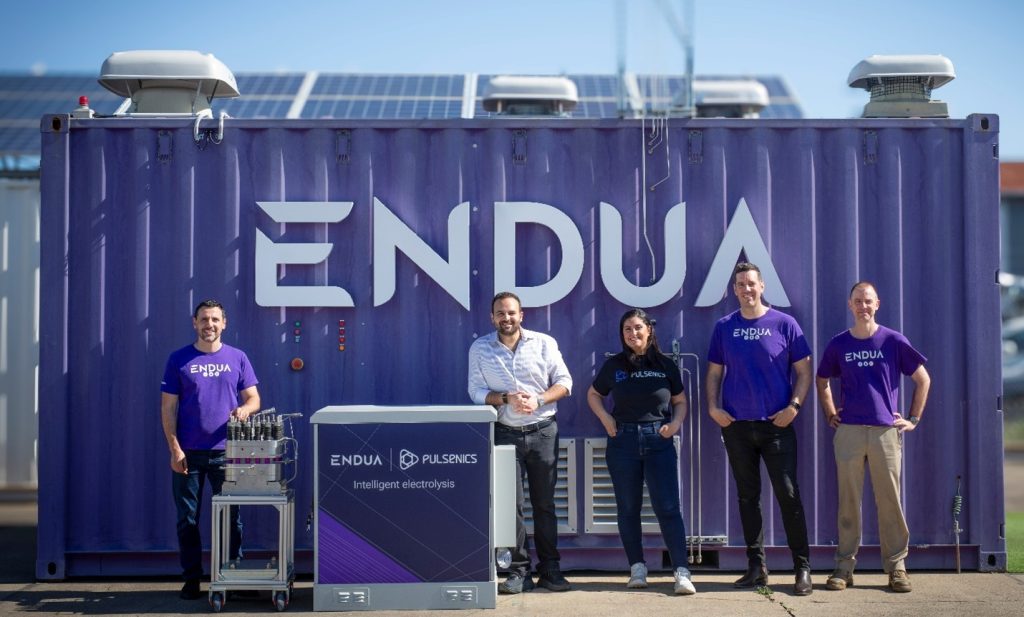
The partners, Pulsenics, a Toronto-based provider of electrochemical monitoring technology, and Endua, a Brisbane-based developer of on-site green hydrogen systems, say the system will predict how hydrogen electrolysers perform under punishing intermittent solar power conditions. The information breakthrough is expected to help hydrogen producers lower costs, extend asset lifetimes and build confidence in hydrogen as a reliable energy source.
While electrolysers are the backbone of green hydrogen production, the industry has limited visibility into how they perform and degrade when exposed to intermittent renewable energy. Endua’s systems connect directly to solar farms to avoid grid costs and use cheaper power when it is available, a cost advantage that comes with frequent on and off cycling.
Pulsenics’ pulse probe series applies electrochemical impedance spectroscopy (EIS), a scanning technique widely used in research. AI then synthesises data from continuous scanning across dozens of frequencies to provide early failure warnings, track degradation and optimises for ultra-low electricity prices.
“Green hydrogen can compete with other energy technologies when we use the world’s cheapest power,” comments Pulsenics COO and Co-Founder Mariam Awara. “Pulsenics will close the knowledge gap between renewable inputs and electrolyser performance to help optimise hydrogen plants for real-world conditions.”
Continuous monitoring of electrolyser stacks also accelerates deal-making between hydrogen producers and OEMs. Because OEMs such as Endua often make guarantees on uptime, lifetime and production volume, advanced performance data helps de-risk agreements and build trust. “Industrial hydrogen users want to create their own supply on-site, and they need guarantees on performance and uptime,” says Endua CEO Paul Sernia. “AI analytics from Pulsenics helps us to offer the latest high-performance technology and deliver on these promises to our customers.”
For more info, see www.pulsenics.com, www.endua.com.